Industries
Petroleum
Valves, camlock couplings and expansion joints for fuel storage, tanker loading and transfer.
Valves for petroleum and fuel tanker loading are judged on one thing: nothing leaks. Not at the tank, not at the pump, not at the hose.
- Storage and transfer: cast steel ball, gate and globe valves to API standards.
- Tanker loading: aluminium and SS camlock couplings, dust caps and plugs with nitrile gaskets for diesel and petrol.
- Pump connections: metallic expansion joints and SS flexible hoses.
- Tanks: foot valves and breather valves.
Products for petroleum
ACO Coalisator-P, free standing
Model NS 1.5, NS 3 · EN 858
Compact Class I light-oil separator in polyethylene with a coalescence insert and automatic float closure, for free-standing installation.
ACO Coalisator-P, below ground
Model NS 1.5, NS 3 · EN 858, DIN 1999-100
Compact Class I light-oil separator for below ground, with a height-adjustable top and B 125 cast iron cover, to EN 858.
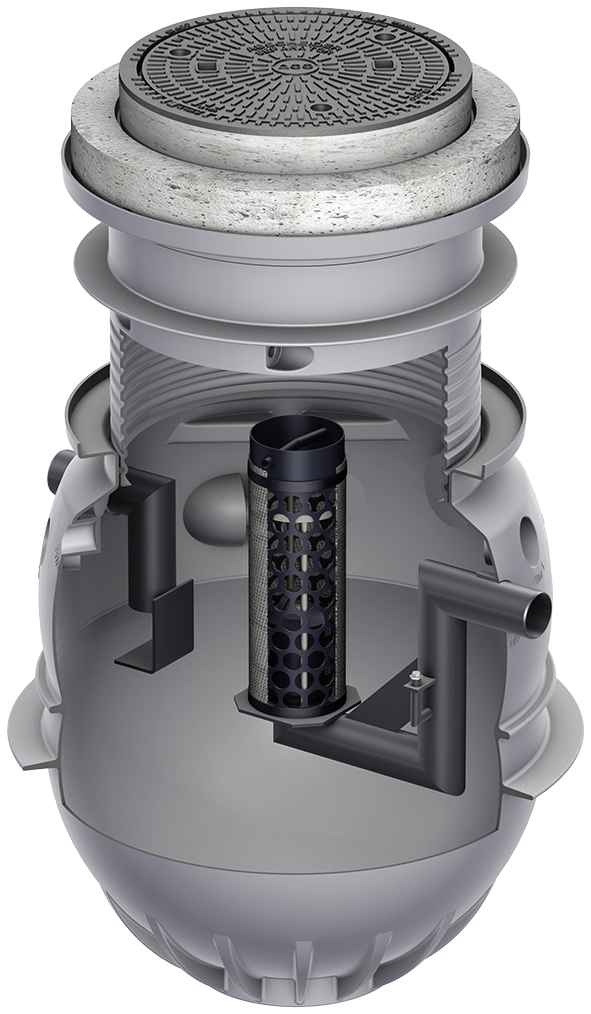
ACO Oleopator-P
Model NS 3 – NS 10 · EN 858, DIN 1999-100
Below-ground light-oil separator in polyethylene, NS 3 to NS 10, to EN 858, for fuel stations, workshops and car parks.
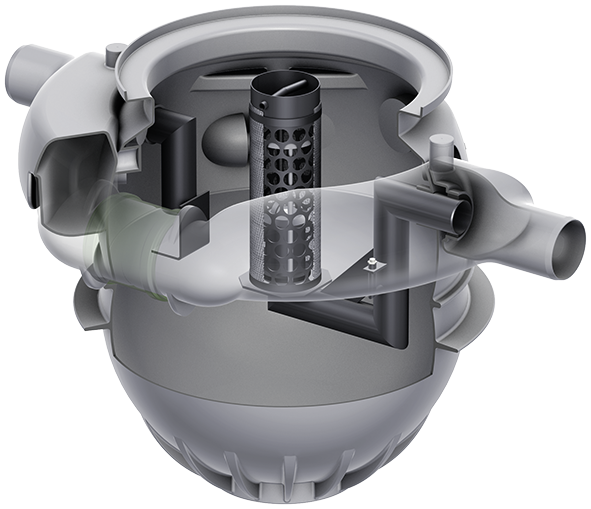
ACO Oleopass-P
Model NS 3 – NS 10 · EN 858, DIN 1999-100
Below-ground light-oil separator in polyethylene with an integrated bypass, NS 3 to NS 10, to EN 858.
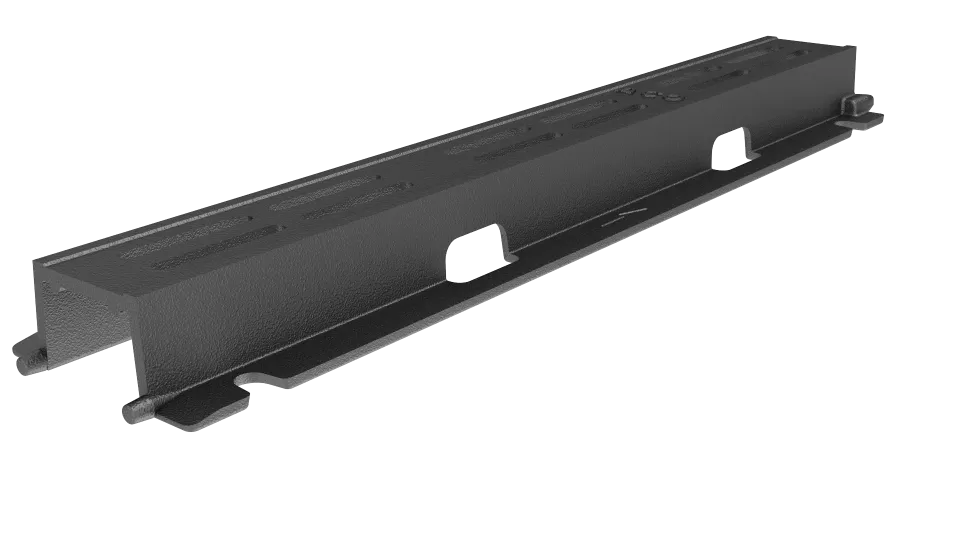
ACO Qmax Neo
Model Neo 300, Neo 600
Polypropylene slot drain with ductile iron edge rails and large retention volume, for load classes A 15 to F 900. Nominal sizes ø 300 and ø 600 mm.
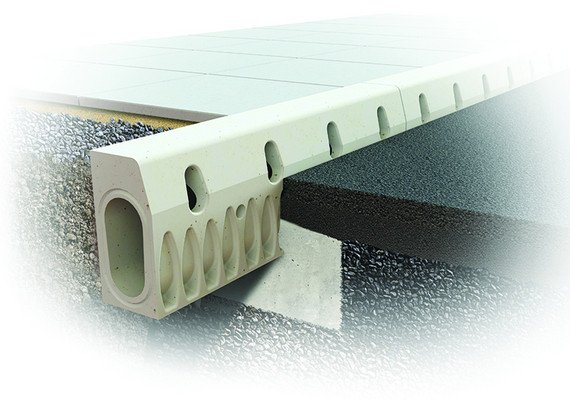
ACO KerbDrain™
Model Kapacity 480, Kompact 305 · DIN 19580
One-piece resin concrete kerb and drainage unit for roads, roundabouts, car parks and petrol stations. Load Class D to DIN 19580.
ACO Oleopator P, free standing
Model NS 3 – NS 30 · DIN EN 858, Class I
Free-standing Class I light-oil separator in welded polyethylene, round, oval or segment, NS 3 to NS 30, for frost-free rooms.
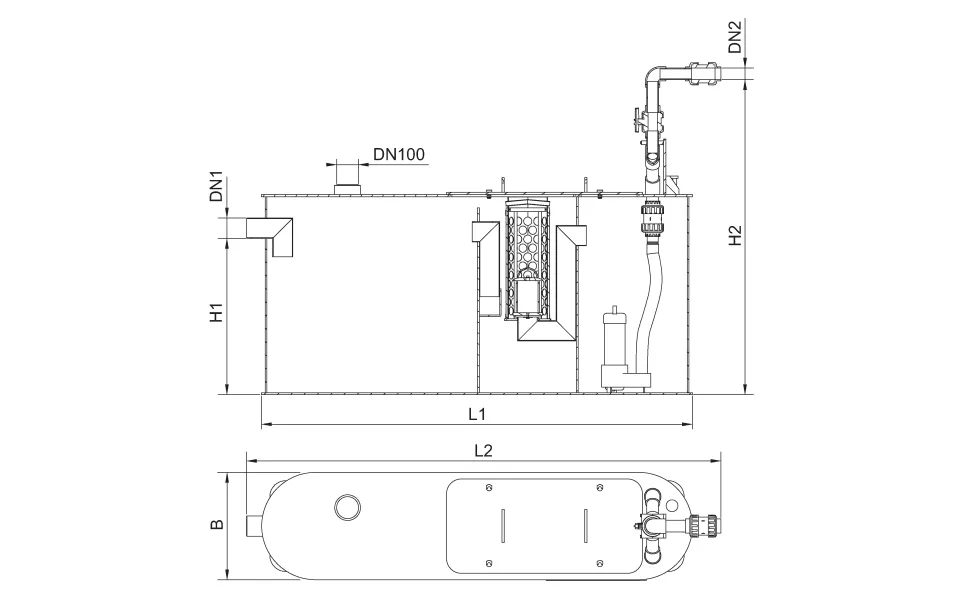
ACO Oleolift P
Model NS 1.5 – NS 10 · DIN EN 858, Class I
Free-standing Class I oil separator with built-in submersible pumps, for basements below the sewer, NS 1.5 to NS 10.
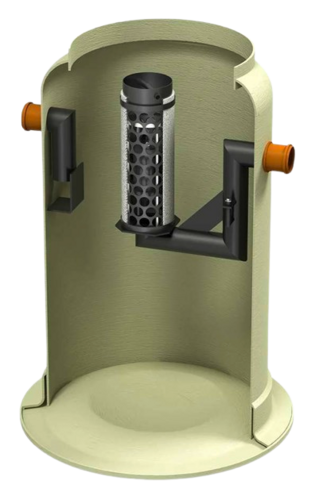
ACO Oleopator G
EN 858, Class I
Vertical GRP light-oil separator, Class I to EN 858, with a coalescence insert. Light to handle on site.
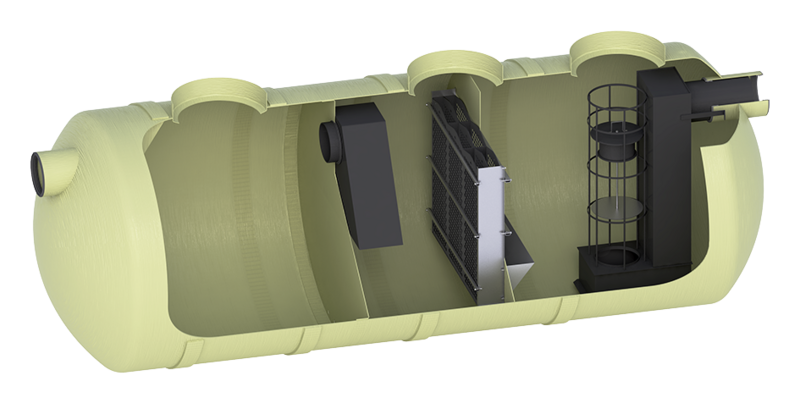
ACO Oleopator G-H
EN 858, Class I
Horizontal GRP light-oil separator, Class I to EN 858, with a coalescence insert. Light to handle on site.
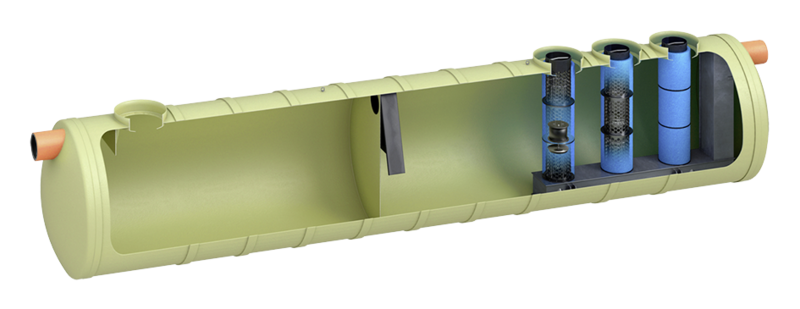
ACO Oleopator G-H NS100+
Model NS 100+ · EN 858, Class I
Horizontal GRP light-oil separator, Class I to EN 858, with a coalescence insert. Light to handle on site.
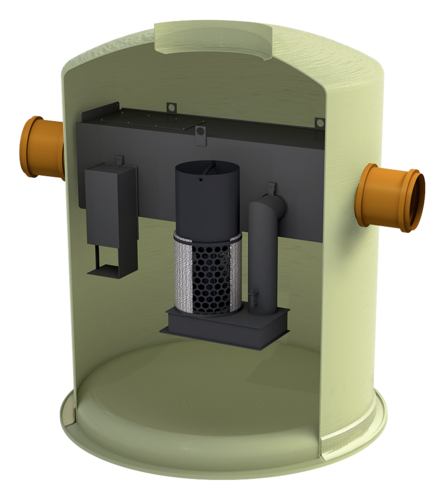
ACO light liquid separator with bypass G
EN 858, Class I
Vertical GRP light-oil separator, Class I to EN 858, with a coalescence insert and integrated bypass. Light to handle on site.
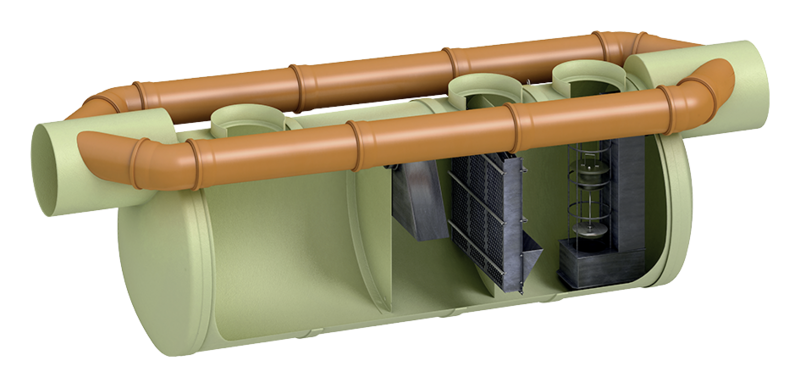
ACO light liquid separator with bypass G-H
EN 858, Class I
Horizontal GRP light-oil separator, Class I to EN 858, with a coalescence insert and integrated bypass. Light to handle on site.
Questions
Which coupling is used for fuel tanker loading?
Aluminium or stainless steel camlock couplings with nitrile gaskets are common for diesel and petrol hoses, with dust caps and plugs to seal the ends.
What are API valve standards?
American Petroleum Institute standards for valves in oil and gas service, such as API 600 for steel gate valves and API 6D for pipeline valves.
Which valve is used on a diesel tank?
Ball valves for outlet isolation, a foot valve at the suction and a breather valve on the vent, all with seals rated for fuel.
A size or rating not listed?
Our procurement desk sources it, from Valvetech or anywhere in the world.